Biblical Historical Group
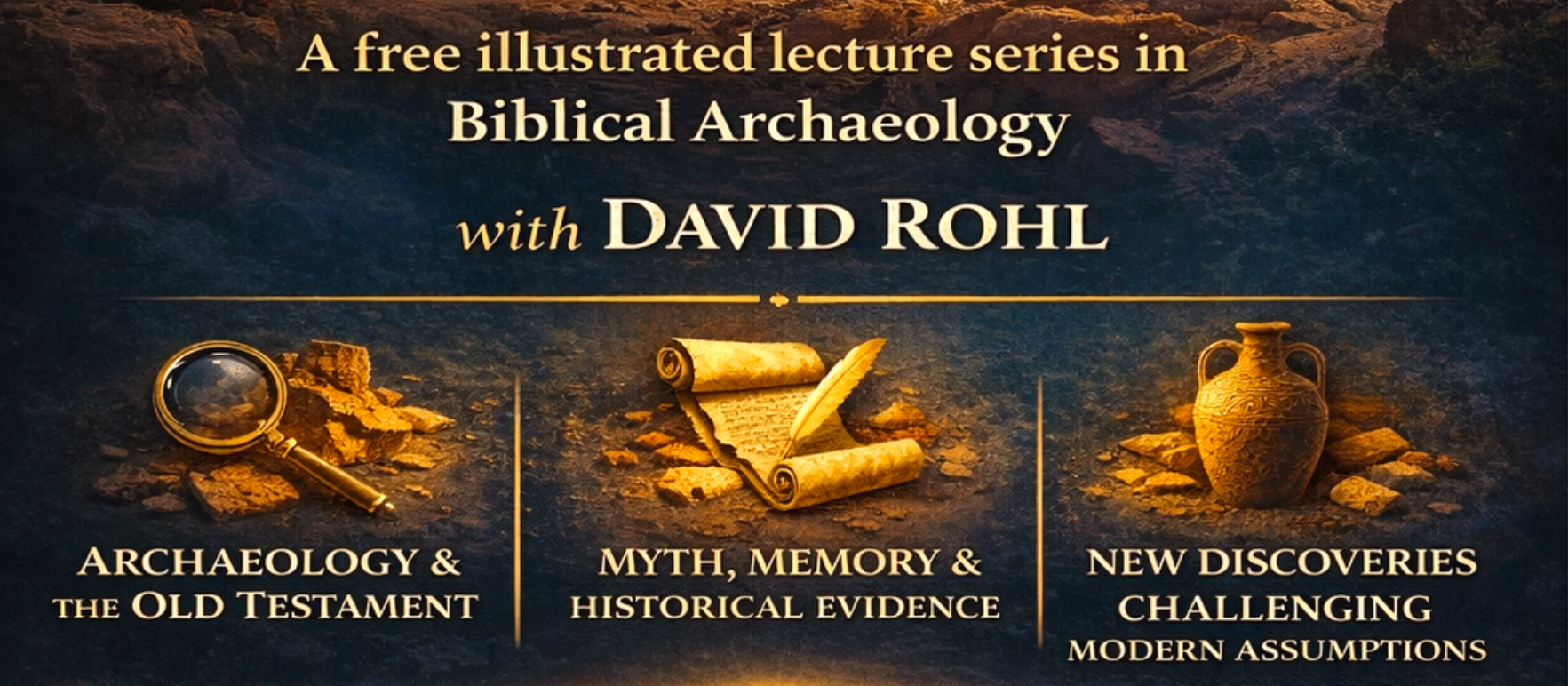
A fully illustrated, free lecture course in Biblical Archaeology
The Bible is the foundation of Christian and Jewish faith. Yet, in recent years, the academic consensus has been that the early books of the Old Testament represent nothing more than ‘pious fiction’ or a ‘foundation myth’ without any real historical evidence to support the Biblical narratives. However, the latest archaeological discoveries and research are beginning to reveal that the Bible represents a genuine traditional history of the Israelite people.
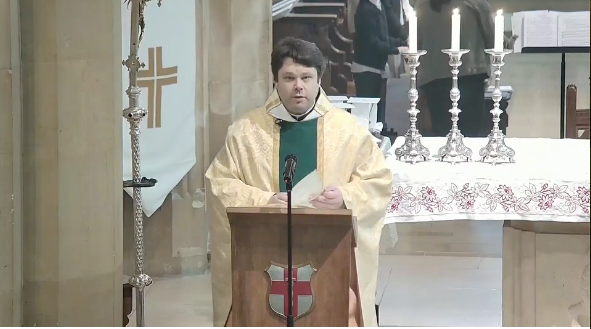
Our parishioner, David Rohl, has set up a new Biblical History Group based at Belmont Abbey but outreaching to the greater ecumenical communion in Herefordshire. All are welcome to attend the free meetings for the monthly Saturday afternoon lectures, with follow-up discussions in an informal Q & A session. Currently the plan is to hold the meetings every second Saturday of the month, with the lecture starting at 2 pm. However, tea/coffee and biscuits will be served from 1:30 pm.
The first meeting is going to be on Saturday 14 March in the Belmont Parish Centre (free parking in the large adjacent car park).
About the program

The lecture programme begins in Egypt with the arrival of Joseph and, soon after, his father Jacob, along with the patriarch’s tribe of around seventy souls. The first lecture will reveal the archaeological evidence for the Israelite settlement in the Land of Goshen and the subsequent centuries-long Sojourn before the Exodus. That dramatic event will be the subject of the second lecture in April. We will then proceed forward in time through the Conquest of the Promised Land, the Judges era, and into the United Monarchy Period of Saul, David and Solomon. Eventually, after many revelations revealed through the analysis of both archaeology and ancient contemporary texts, we move into the era of early Christianity, beginning in Jerusalem with the crucifixion of Jesus and the spreading of his teachings throughout Europe by the Apostles.
The lecture series is expected to be completed by the end of 2027. Rest assured that it is perfectly fine to choose which group sessions you would like to attend ... and absolutely no requirement to do them all! We already have people travelling from as far away as Carlisle, Liverpool, Leicester, Birmingham and Devon to attend some of the meetings ... but Biblical History Group is primarily for the Belmont Parish community and our neighbouring churches of all denominations.
About David Rohl
David was the presenter of the 1994 internationally acclaimed TV documentary series ‘Pharaohs and Kings’ jointly produced by Channel Four in the UK and Discovery Channel in the USA. His accompanying book A Test of Time: The Bible – From Myth to History reached the top of the Sunday Times bestseller list in the UK, with 100,000 copies of the hardback sold in just the first week following the broadcast of Episode One of the documentary. Since then, David has lectured all around the world, from the USA to South Korea. The award-winning Viking Ocean Cruise Line invited David to become one of its top Enrichment guest lecturers. Here is how they describe him:
David Rohl is recognised as one of the world’s best-known historians. He is not only a best-selling writer but also an explorer, archaeologist, TV Presenter, and internationally renowned public lecturer. With degrees in Egyptology, Ancient History, Mycenaean & Minoan Archaeology and Levantine Archaeology, David is a genuine scholar with a full list of academic credentials but, at the same time, is seen as a highly original thinker, offering an exciting and colourful history of the world’s greatest ancient civilisations. [Viking Ocean Cruises]
The Sunday Times Colour Supplement published a cover story about David Rohl’s research and explorations, referring to him as ‘the Real Indiana Jones’, while the Archaeology Correspondent for the Daily Mail had this to say about him:
David Rohl’s books have convinced me that he is one of the most brilliant and original minds now engaged in writing ancient history. If he hadn't been a historian he would have been a terrific mystery writer. [Colin Wilson]
David – now in his mid-seventies – is looking forward to the new challenge of running our new Biblical History Group, along with the help of his wife, Ditas, as well as volunteers from our Parish community. We are looking forward to welcoming participants from the many faith groups in the Herefordshire area and those travelling from further afield.
Syllabus
This course, with a programme of monthly lectures and discussions, presents the history of the Bible as revealed through archaeology and ancient texts. The syllabus focusses on a strong challenge to the claim that the Old Testament or Tanakh is ‘nothing more than a pious myth’, demonstrating that such a view is groundless. Here is ‘The Bible Unearthed’ in all its glory ... rather different to the pessimistic interpretation offered by Professor Israel Finkelstein and his minimalist colleagues.
The Course Schedule, lasting two years, with Lecture Titles and Topics, is as follows.
2026 - Section One: From Joseph to Joshua
(1) The Israelites in Egypt (14 March)
The Sojourn of the Israelites in Egypt. Joseph’s pharaoh. The Great Famine. Jacob’s arrival. The Israelite settlement at Avaris. Joseph’s palace and tomb.
(2) Moses and the Exodus (11 April)
The slavery period. Moses as a prince of Egypt. The events of Exodus. The Ipuwer Papyrus. The Miracle of the Sea.
(3) In the Footsteps of Moses (09 May)
The journey to Mount Horeb. Evidence from the Sinai Peninsula. The Battle with the Amalekites. Identifying the ‘Mountain of God’ and the place of the Israelite camp.
[Away leading a study tour of Western Turkey in the second half of May]
(4) Hebrew Signs in the Desert (13 June)
The origins of the Hebrew alphabet. The discovery of Proto-Sinaitic at Serabit el-Khadim. Deciphering the inscriptions. The words of Moses carved in stone. The Golden Calf.
(5) Kadesh-Barnea (11 July)
The location of Kadesh-Barnea. Aaron’s tomb on Mount Hor. The journey to Abel-Shittim. The death of Moses on Mount Nebo.
(6) Conquest (08 August)
The arrival of Joshua and the Israelite tribes in the Promised Land. The destruction of Jericho. The discovery of Ai. Joshua’s Long Day. King Jabin of Hazor. Joshua’s Covenant Stone at Shechem.

2026 – Section Two: The geography and archaeology of Genesis
(7) In Search of Eden (12 September)
The geography of Paradise and its fabled garden.
(8) The Great Flood and the Tower of Babel (10 October)
Mesopotamian flood traditions. The Mountain of the Descent. Nimrod and the Tower of Babel.
(9) The Dispersion of the Nations (14 November)
The descendants of Noah – Cush, Mizraim, Put, and Canaan. Discoveries in Egypt’s Eastern Desert. The iconography of Mesopotamian influence in early pharaonic Egypt.

2027 – Section Three: The traditions and history of early Christianity
(10) Jerusalem in the time of Jesus (13 February)
The location of the Temple in the time of Jesus. Roman law and custom regarding crucifixion. A new proposal for the site of the crucifixion and the tomb of Jesus.
(11) The Way of the Cross (13 March)
Christian refugees arriving in France. Joseph of Arimathea and the legend of the Holy Grail. The arrival of early Christianity in Rome. Palatium Britannicum. The first Bishop of Rome.
[Away leading a Long Nile Cruise from Aswan to Cairo in April]
(12) Paul and Peter in Rome (8 May)
The tradition and archaeology of their lives in Rome. The deaths of Paul and Peter, and their burial places. The archaeology of Vatican Hill.
(13) Sangreal (12 June)
The Romano-Spanish tradition of the Cup of Christ. Saint Lawrence and the Holy Grail. The Grail Castle at San Juan de la Peña. Alfonso the Battler and Anfortas Rex. Sir Percival and Rotrou the Great. The Santo Caliz in Valencia Cathedral.

2027 – Section Four: The United Monarchy Period in Israel

(14) Saul – The First King (10 July)
How the Amarna Letters cast new light on the Hebrew revolt against Philistine oppression. King Saul’ reign-length. Asked for by the people. The Philistine seranim. The capture of Gibeah and Michmash. Jonathan and David. The Battle of Gilboa.
(15) David – The Conqueror (11 September)
The rise of Israel in Egypt’s 19th Dynasty. David’s northern conquests. The taking of Jerusalem. The Merneptah Stela. Israelite chariots in the Karnak war reliefs. David as ally of Egypt. The Battle of Kadesh and the Nearin. A marriage alliance and treaty.
(16) Solomon – The Merchant Prince (09 October)
The archaeology of Samaria, Megiddo, and Hazor in the New Chronology and King Solomon’s reign.
(17) Pharaoh’s Daughter (13 November)
Who was the pharaoh who gave his daughter to be Solomon’s queen? Solomon’s Gezer dowry. The Temple of
RELATED NEWS ITEMS

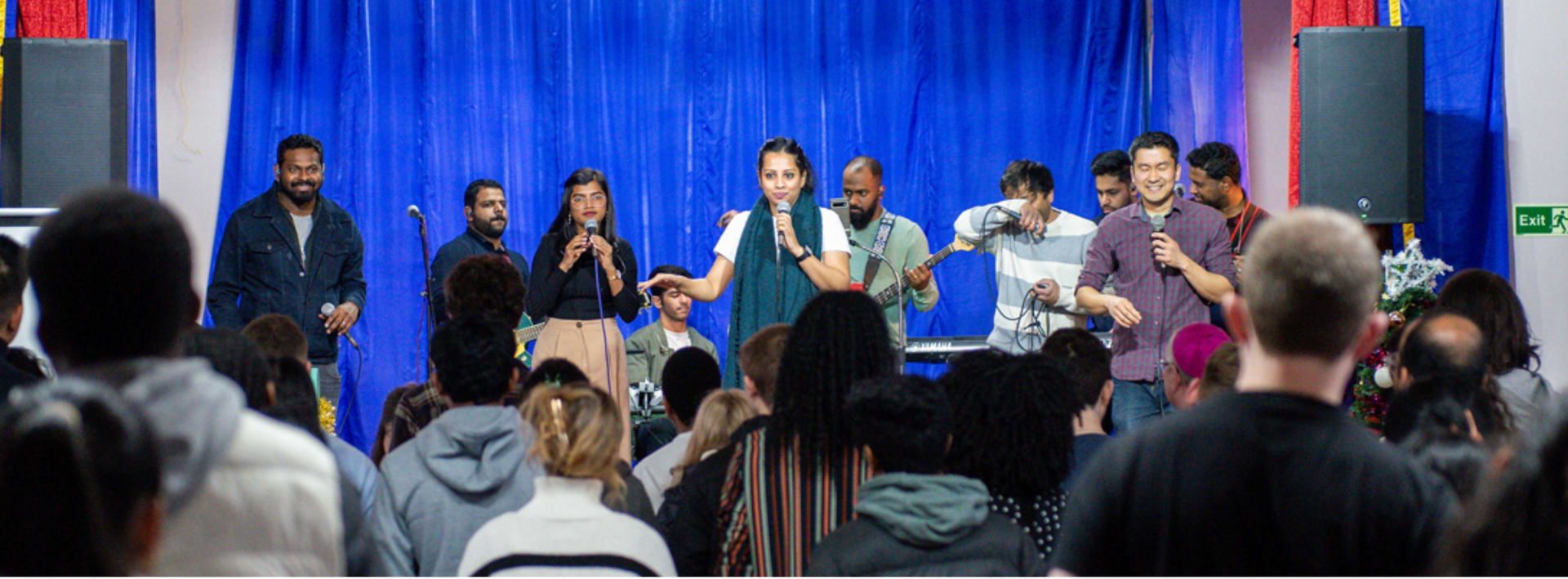
Youth 2000 - Discover why faith works for young people...
Our Weekend festivals, retreats and missions provide the opportunities for you to encounter the love of God in a fun setting. Receive the grace of conversion and to begin living life as the person God created you to be.
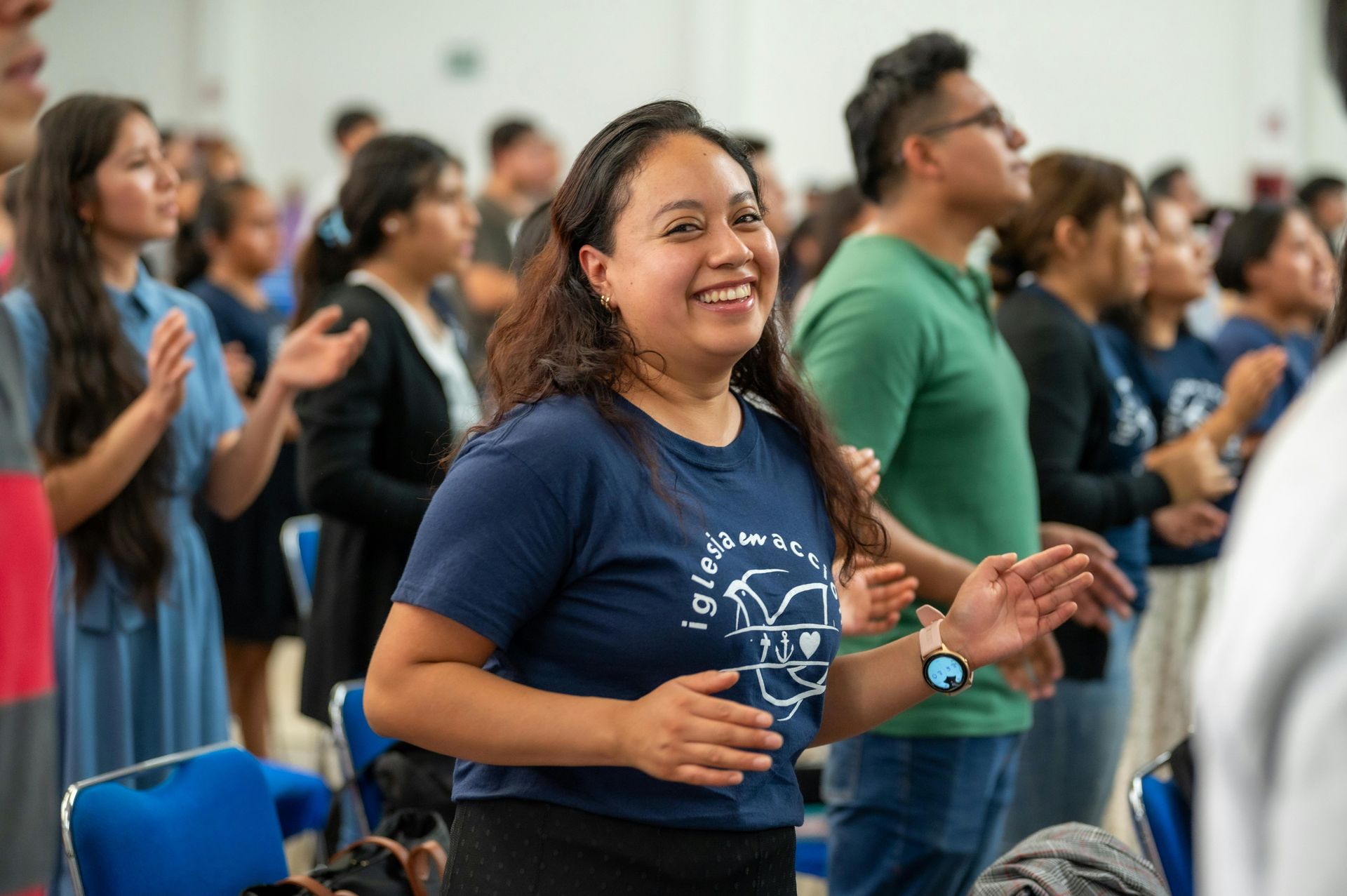
Youth pilgrimages & Events
There are many events and activities undertaken within the Archdiocese of Cardiff-Menevia. Please send us a message if you would like to find out more.
The parish is very committed to promoting events for the Youth in our region. Please take a look at the latest regional youth activities listed below.

Frequently Asked Questions
Question 1
This is the text area for this paragraph. To change it, simply click and start typing. Once you've added your content, you can customize its design by using different colors, fonts, font sizes and bullets.
Question 2
This is the text area for this paragraph. To change it, simply click and start typing. Once you've added your content, you can customize its design by using different colors, fonts, font sizes and bullets.
Question 3
This is the text area for this paragraph. To change it, simply click and start typing. Once you've added your content, you can customize its design by using different colors, fonts, font sizes and bullets.
Question 4
This is the text area for this paragraph. To change it, simply click and start typing. Once you've added your content, you can customize its design by using different colors, fonts, font sizes and bullets.
Question 5
Describe the item or answer the question so that site visitors who are interested get more information. You can emphasize this text with bullets, italics or bold, and add links.