Becoming a Catholic
Thinking about becoming a member of the Catholic Church? We would like to offer you a heartfelt and warm welcome. Our commitment is to ensure that you feel both comfortable and supported as you embark on this significant and joyful journey.
Countless people, much like yourself, have felt that same deep desire to pursue greater insight, to understand the essence or
emotion of faith, and to explore its genuine impact on our lives!
This resource is designed to help you understand the steps you'll need to take on this new journey. We really hope you find it helpful and that it supports you as you explore your discernment.
The RCIA process is open to:
- Adults never baptized in any Christian Church
- Adults baptized in a different Christian Church wanting to become Catholic
- Adults baptized Catholic but who never made First Holy Communion
- Catholic adults who made First Communion but missed Confirmation as teens and now wish to be confirmed.
What is RCIA?
R.C.I.A. stands for the Rite of Christian Initiation of Adults. This four-part process is designed to assist individuals who are either considering becoming Catholic or wish to learn more about the Catholic Faith. Each individual is welcomed at their current stage and integrated into the R.C.I.A. process based on their personal faith development.
The RCIA process guides adults through these four stages in a compassionate, heartfelt, and prayerful manner. Each participant brings their unique personal journey, marked by a special prompting from the Holy Spirit. There are numerous reasons why experiencing God's presence in our lives is essential. Every individual's circumstances are handled with the utmost confidentiality, and there is never any pressure for anyone to convert to Catholicism.
The four parts mentioned above will be explained in more details shortly. The
RCIA typically starts in autumn and consists of 20 sessions. Midway through, those wishing to become Catholic apply for admission into the catechumenate.
Those who choose not to formalise their commitment can still participate and explore the Catholic faith. Candidates usually receive the sacraments during the
Easter Vigil,
celebrated by the Archbishop at the parish or Cathedral. Afterward, we have a few sessions on the Mass to complete your formation.

FOUR PARTS OF RCIA
Part 1 - Inquiry
This is where you are most likely to be right now. This is a time, of no fixed duration or structure, for inquiry and introduction to gospel values, an opportunity for the beginnings of faith - We are sure you have lots of questions!
Your main task at this stage is to explore and develop your faith enough so you can
make an informed initial decision about entering the Catholic Church. The final
decision won't come for a period of time that will ultimately be determined by you
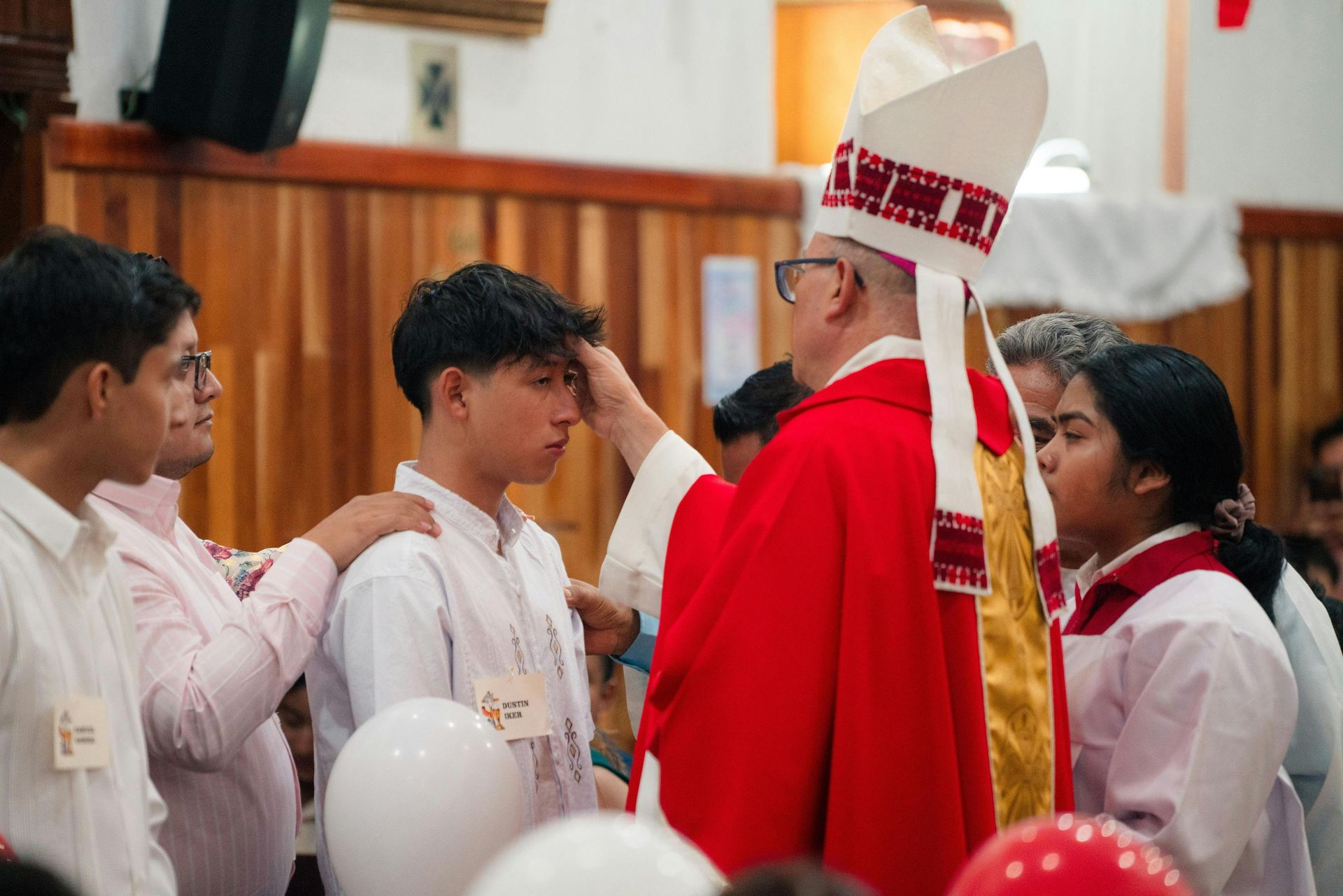
and culminate when you actually enter the Church at Easter and receive the
sacraments of initiation.
Part II - Catechumenate:
Those who decide to enter the Church and are being trained for a life in Christ are
called catechumens, an ancient name from the early Church
This is the liturgical rite, usually celebrated on some annual date or dates, marking the
beginning of the catechumenate proper, as the candidates express and the Church accepts their intention to respond to God’s call to follow the way of Christ.
In this stage, you're developing your faith and are being " catechised" —learning, the basic
points about Catholic faith and life.
Part III - Purificaiton and enlightenment (Getting ready for the Sacraments)
This is the final stage before receiving the Easter sacraments of initiation into the
Church: baptism, confirmation, and Eucharist. (Those who have already been
baptised with a valid baptism in another Christian church will not be baptised
again.
They will receive a formal welcome and prayer of blessing as they become
part of the Catholic Church). This is a stage of more intense reflection and
it is a time of reflection, and more intense preparation .
Part IV - Mystagogy:
A short period of continued reflection after receiving the Sacraments to help enter
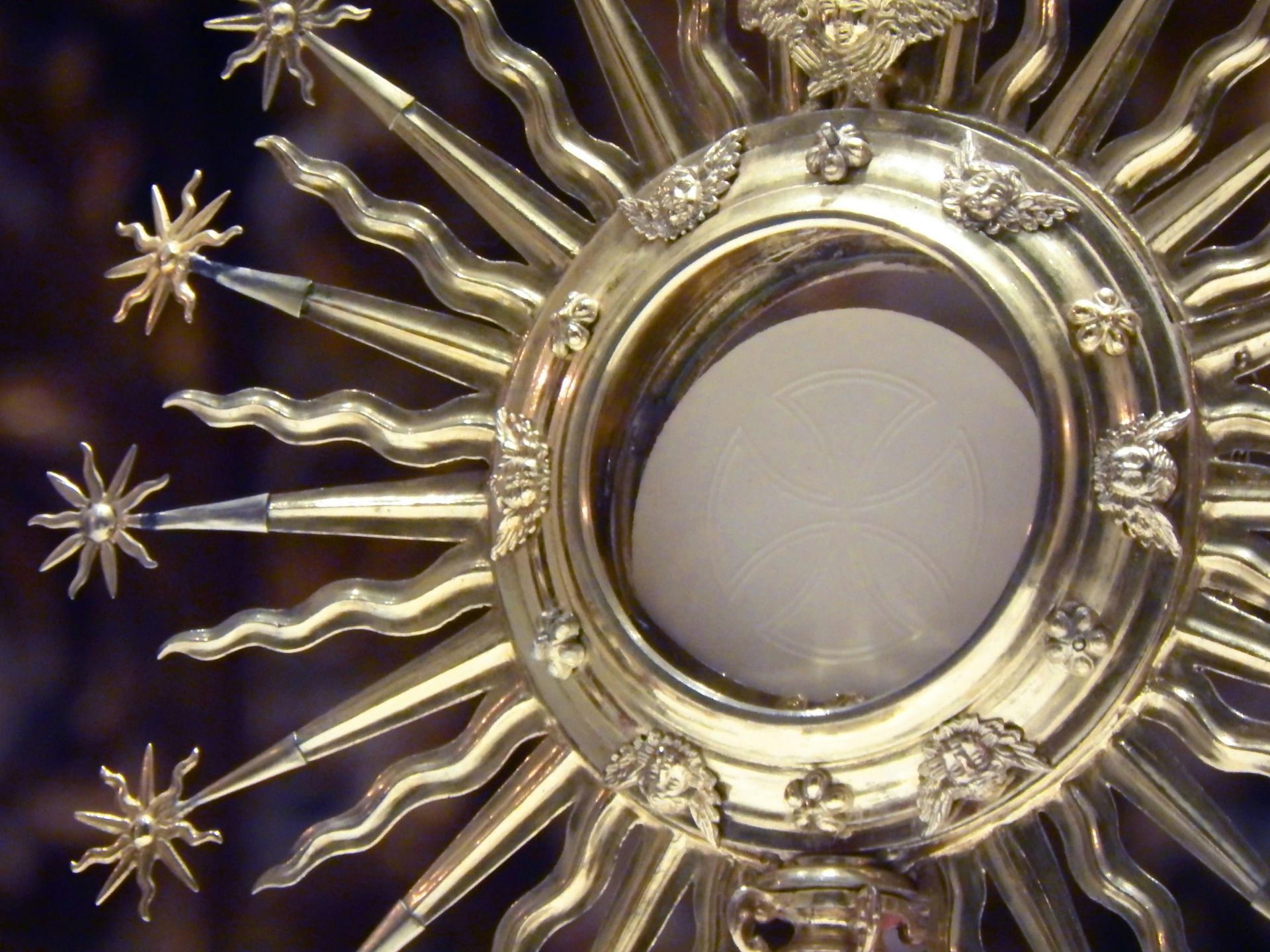
into a deeper appreciation of the Mass. The Mass and the Eucharist are the "source
and summit" of the Christian life in the Catholic Church, and this period is designed
to help understand, appreciate, and live more deeply this center of Catholicism.
Participation in the R.C.I.A. program does not carry an expectation that all individuals will necessarily become Catholics; you have the freedom to either make a commitment or pursue a different path. However, to progress from Part II to Part III, a commitment is required.